Key takeaways: Mavrodaphne of Patras embodies Greek fortified wines excellence through its aromatic complexity of caramel and chocolate. Elaborated according to traditional solera system, this nectar offers alternative to great fortified wines. Its heritage, anchored since 1873, promises authentic sensory experience, elevated by protective antioxidants richness.
Do you struggle finding authentic Mavrodaphne wine capable of breaking with conventional vintages monotony to surprise your guests during your most prestigious receptions? Our exploration unveils this Peloponnese and Achaia treasure, liqueur nectar whose brick robe and coffee perfumes sculpt timeless tasting experience. We share with you its secular heritage and solera aging secrets to transform your indulgent pairings into sensory odyssey where Greek elegance meets chocolate and raisins nobility.
- Mavrodaphne of Patras — Exceptional terroir heritage
- Aromatic palette — Grape variety sensory signature
- Winemaking and styles — Balance between tradition and modernity
- Art of living — Successful tasting secrets
Mavrodaphne of Patras — Exceptional terroir heritage
After overviewing Mediterranean wines universe, let's focus on Greek legend crossing centuries.
Historical origins and black laurel legend
In 1873, Gustav Clauss erects historical Achaia Clauss estate. This Bavarian merchant is passionate about Mavrodaphne wine, unique grape variety in Patras. He then shapes first great red.
Its name pays tribute to nymph Daphne. Etymology emphasizes resemblance between grape ebony berries and laurel berries. Romantic legend inhabits each produced bottle.
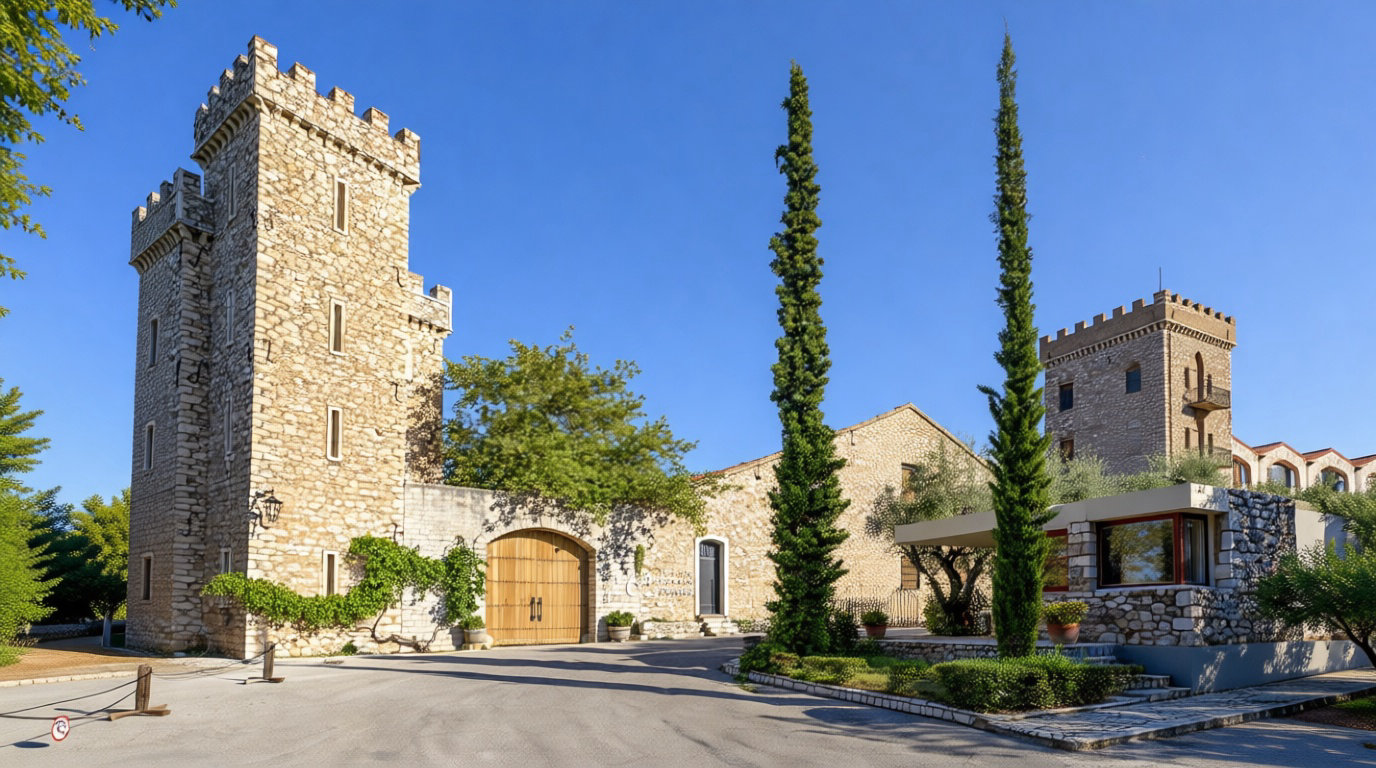
PDO Mavrodaphne of Patras strictly frames production. It's historical quality and excellence guarantee.
Geographic duality between Peloponnese and Cephalonia
Patras limestone soils oppose Aenos PGI wild heights. Altitude radically transforms organoleptic profile. Cephalonia terroirs breathe vibrant tension and different structure, particularly sought after by enthusiasts.
Ionian Sea beneficial influence remains paramount. Marine air provides necessary freshness to grapes ripened under blazing sun.
Explore these solar terroirs discovering Moroccan wine for aromatic comparison.
Commitment toward organic and sustainable viticulture
Greek winegrowers deploy exemplary organic cultivation methods. This courageous choice guarantees local ecosystem respect and so precious clay-limestone soils sustainability.
Old indigenous vines preservation is pillar of viticulture refusing modern tastes uniformization.
This philosophy protects terroir deep identity.
Mediterranean climate preserves vines health. Chemical treatments are unnecessary there.
Aromatic palette — Grape variety sensory signature
But beyond its history and land, it's in glass that Mavrodaphne reveals its true character.
Young wines profile between black fruits and spices
You don't yet know Mavrodaphne wine candied cherry explosion. Prune dominates this indulgent bouquet. This profile defines freshly marketed bottles.
You'll discover marked flavors there. Here are this tasting key elements:
- Intense cinnamon notes
- Persistent clove
- Melting caramel at finish
Tannic structure remains supple. Black berries bring velvety chew.
Tertiary evolution and prolonged aging potential
Wine transforms with years. Coffee and dark chocolate appear. Leather progressively settles. It's astonishing metamorphosis for patient enthusiast. Time truly plays in its favor to gain nobility.
Walnut and raisin notes emerge. These aromas recall great aging wines complexity.
Excellent wine acidity explains reserves longevity. We appreciate this structure.
Tsigelo and Regnio clones influence on concentration
Let's oppose Tsigelo clone finesse to Regnio vigor. First produces very concentrated small berries. This genetic distinction changes everything during final tasting.
Grains size impacts must intensity. Less juice often means more flavors. It's simple but effective rule for understanding this wine density.
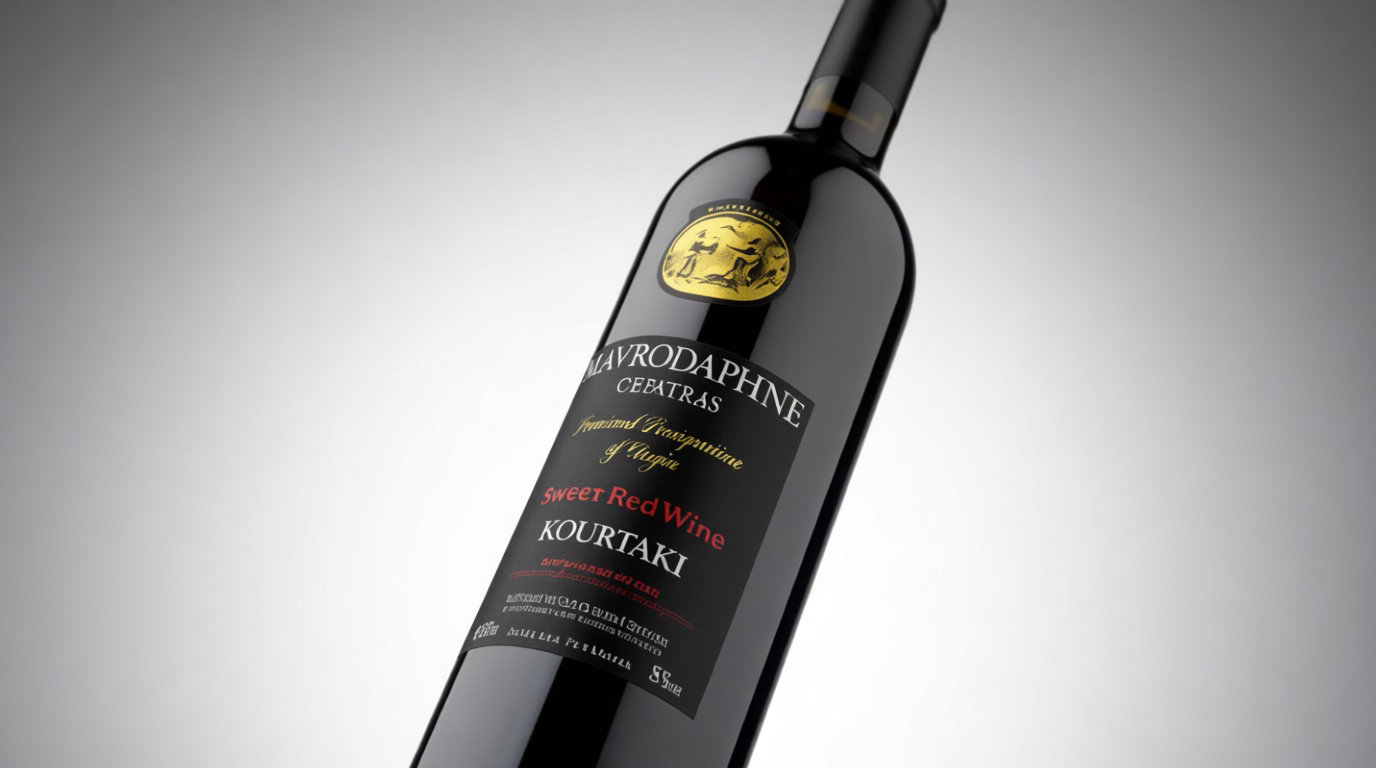
Artisan winegrowers often favor Tsigelo. It's pure quality choice.
Winemaking and styles — Balance between tradition and modernity
To obtain such palette, cellar work requires goldsmith precision, between ancestral methods and new visions.
Fortification mastery and solera system aging
Fortification constitutes process heart. Fermentation is stopped by adding wine distillate. This allows preserving grape precious natural sugars.
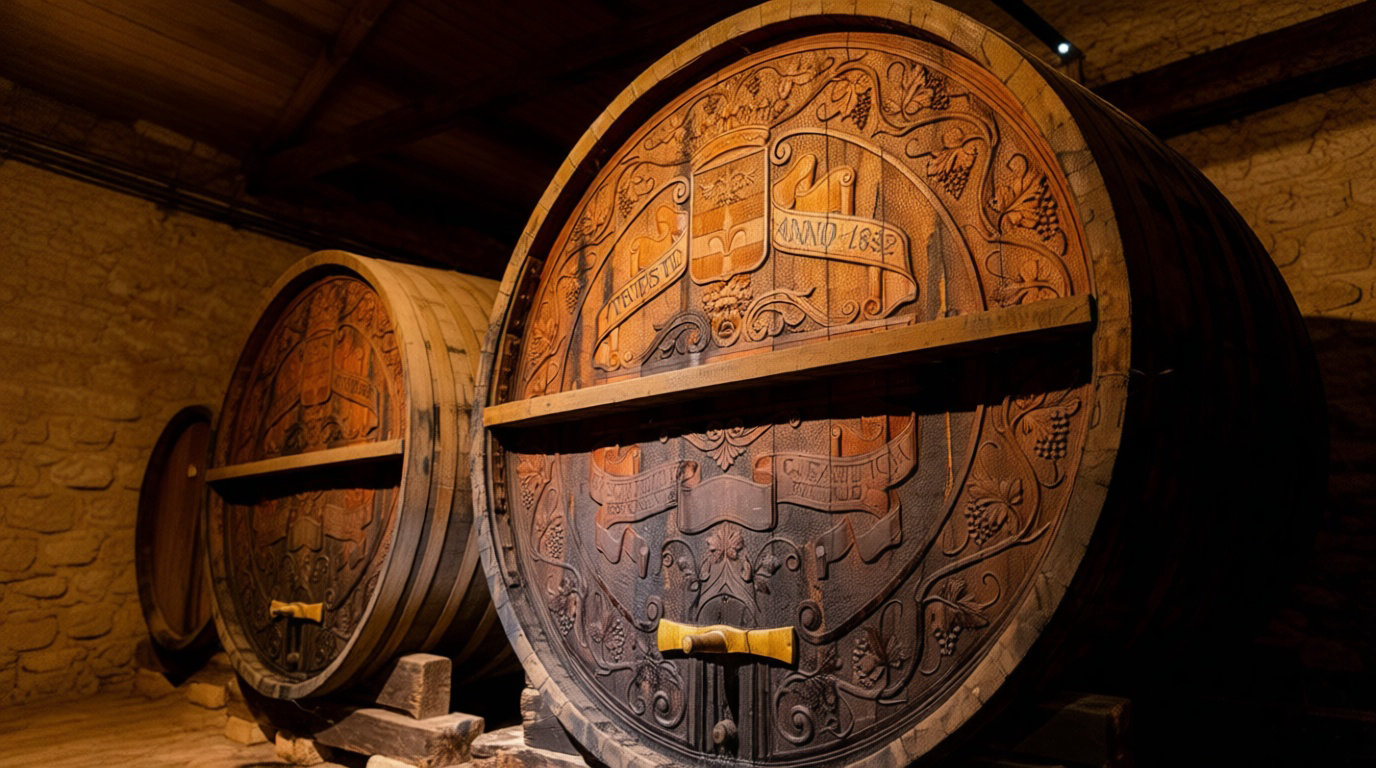
In Patras cellars solera system dominates. Old vintages patiently educate youngest within barrels. This serial blend creates rare harmony.
Oak ensures controlled oxidation. It stabilizes brick color and enriches texture.
Contemporary dry red versions emergence
Strong trend emerges: non-fortified wines. Winegrowers now explore Mavrodaphne dry side. It's revolution for this historically sweet grape variety. Public loves this novelty shaking established codes.
We find there surprising freshness and well-asserted tannins. These reds structure sometimes recalls Agiorgitiko.
These cuvées resemble light red wine but characterful. They offer modern alternative.
Positioning facing Porto and Banyuls wines
Parallels exist with Porto or Banyuls. Fortification techniques remain close. Yet Greek soul and Achaia terroir mark fundamental difference.
| Wine | Origin | Main grape variety | Dominant style |
|---|---|---|---|
| Mavrodaphne | Greece | Mavrodaphne | Rich and spicy |
| Porto | Portugal | Touriga Nacional | Powerful |
| Banyuls | France | Grenache | Solar |
Value for money proves unbeatable. It's serious alternative for sweet wines enthusiasts.
Art of living — Successful tasting secrets
Now that you know its manufacturing secrets, let's see how honoring this nectar at your table for truly memorable sensory experience.
Serving temperature and glassware choice
We advise ideally serving it between 12°C and 16°C. Too cold, aromas close abruptly. Too warm, alcohol then dominates entire wine structure.
Aeration reveals often unsuspected aromatic layers. Discover why decanting wine for your oldest bottles. This necessary step elevates each tasting.
Favor tulip glasses. They concentrate complex perfumes toward taster nose.
Gastronomic pairings between chocolate and blue cheeses
Pair this Mavrodaphne wine with intense and powerful dark chocolate. Cocoa bitterness perfectly responds to its sweetness. It's classic but timeless pairing. Absolutely test it with warm fondant.
Also dare bold alliance with Roquefort or Gorgonzola. Salt and sweet contrast is striking.
In cooking, it magnifies sauced meats. Its reduction brings truly incredible aromatic depth.
Creative applications in mixology and cooking
Use this sweet wine in modern mixology. It advantageously replaces some traditional vermouths. It allows creating bitter, complex and very sophisticated cocktails.
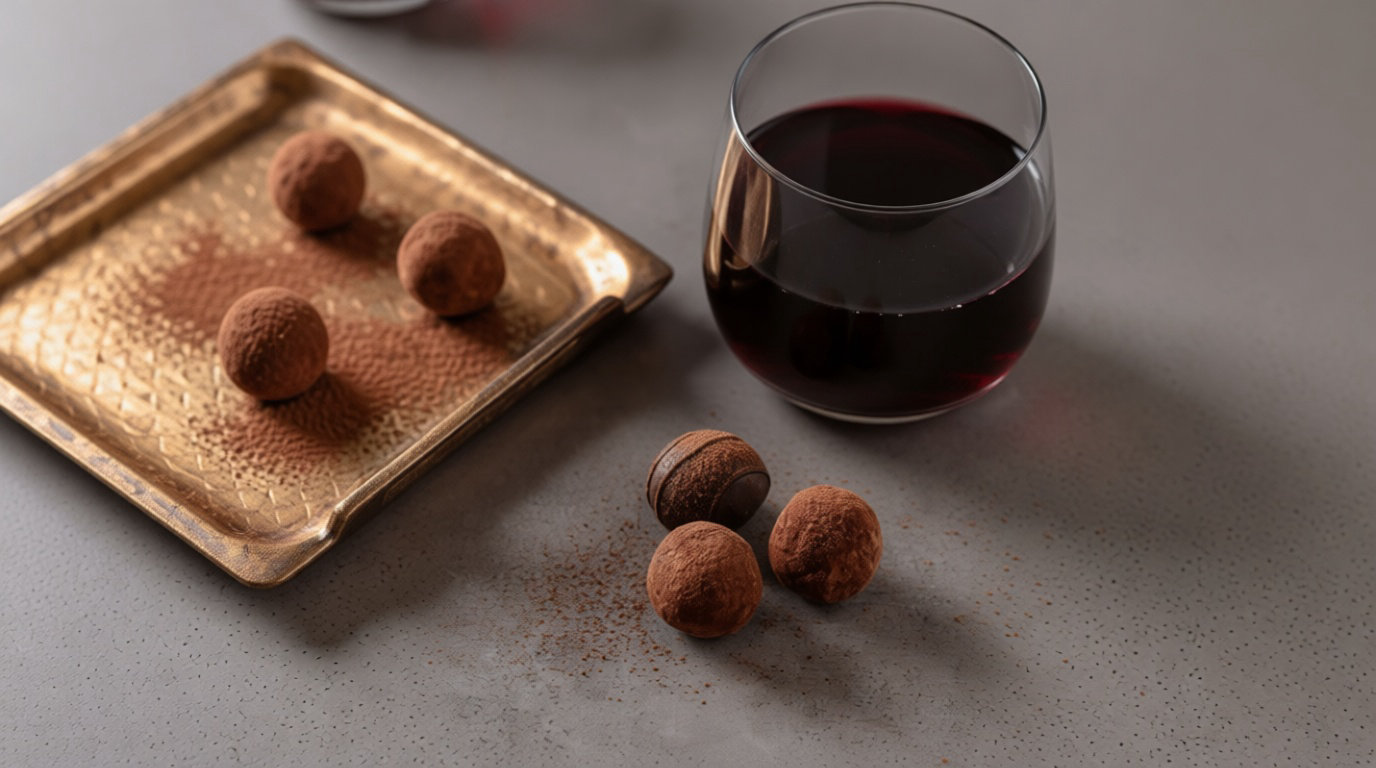
Mavrodaphne isn't just dessert wine, it's noble ingredient transforming simple fruit poaching into gastronomic experience.
In Patras, it flows during carnival. It's local celebration living symbol.
Patras heritage with chocolate notes elevated by solera system, this exceptional nectar awaits you only. Elevate your tastings pairing this fresh Mavrodaphne wine with intense cocoa. Seize right now this Greek treasure elegance to live absolutely unforgettable sensory stopover.
FAQ
What is Mavrodaphne grape variety historical origin?
Mavrodaphne is indigenous black grape variety whose cradle lies in Achaia region, northern Peloponnese. It's under Gustav Clauss impetus, in 1873, that this grape acquired its letters of nobility with PDO Mavrodaphne of Patras creation, wine drawing its strength from millennial Greek terroir between sea and mountains.
What are this exceptional wine dominant aromas?
This wine is characterized by intense and bewitching sensory signature, marked by caramel, dark chocolate and roasted coffee notes. Exploring its palette, you'll also discover raisins and prunes nuances, offering velvety texture persistently with elegance in mouth thanks to remarkable aromatic concentration.
Do contemporary dry Mavrodaphne versions exist?
Although tradition mainly associates it with sweet fortified wines, we witness today contemporary dry versions emergence. These non-fortified cuvées reveal fresher and more structured grape variety facet, sometimes approaching light red wine through its liveliness, while preserving spicy complexity proper to its Mediterranean origin.
What is its name meaning and accompanying legend?
Term Mavrodaphne literally translates as "black laurel", appellation evoking grains resemblance with this noble shrub berries. More intimate legend tells Gustav Clauss would have baptized this nectar honoring young woman named Daphne, endowed with deep black eyes, thus conferring eternal dimension to this unique grape variety.
How to ideally serve and accompany Mavrodaphne of Patras?
To reveal all its aromas quintessence, we recommend serving it slightly cool, between 12 and 14°C. It magnificently pairs with intense dark chocolate desserts or character blue cheeses; for oldest bottles, don't hesitate discovering why decanting wine to fully open its complex bouquet.
What does solera system aging method consist of for this wine?
Mavrodaphne benefits from patient oak barrel aging according to solera principle, serial blend system where young wines are enriched by older vintages contact. This maturation in underground cellars heart allows obtaining perfect stability and aromatic depth distinguishing cuvées classified as Old or Grand Reserve.