Key takeaways: once criticized for its high yields, Carignan now establishes itself as quality grape variety thanks to old vines over forty years. This mutation offers structured wines with garrigue and black fruit notes. Third grape variety of Rhône Valley, it reveals its finesse with Acústic Celler Braó.
Have you ever shunned Carignan grape variety wine remembering its past reputation as too rustic table wine often lacking finesse? We retrace this Mediterranean grape variety turbulent history that transformed its raw strength into remarkable elegance to establish itself again in our glasses with rediscovered authenticity. You'll discover old vines technical secrets and carbonic maceration beneficial influence on its intense black fruit and garrigue aromas, while exploring best gastronomic alliances to elevate this wild, powerful and structured profile.
- Carignan grape variety wine characteristics between power and finesse
- History and renewal of resistant Mediterranean grape variety
- Old vines cultivation and winemaking secrets
- Production regions and ideal gastronomic pairings
Carignan grape variety wine characteristics between power and finesse
After overviewing this grape variety identity, let's see what makes its strength once in glass.
Aromatic profile marked by garrigue and black fruits
This wine often reveals intense blackberry and black cherry notes. Palate then perceives well-marked licorice touch. This finish brings immediate indulgence.
We also find garrigue imprint, between laurel and thyme. Leather nuances complete this aromatic picture. Whole thus gains wild character.
Mediterranean sun forges this unique aromatic intensity. This constant heat allows grape reaching optimal maturity. Black fruit aromas then become deep and persistent. This is where terroir fully expresses itself.
Carignan expresses all garrigue soul, mixing black fruits strength with wild herbs subtlety.
Balance between lively acidity and tannic structure
Wine displays often generous natural alcoholic power. Yet, its marked acidity preserves essential mouth freshness. This contrast avoids any heaviness during tasting.
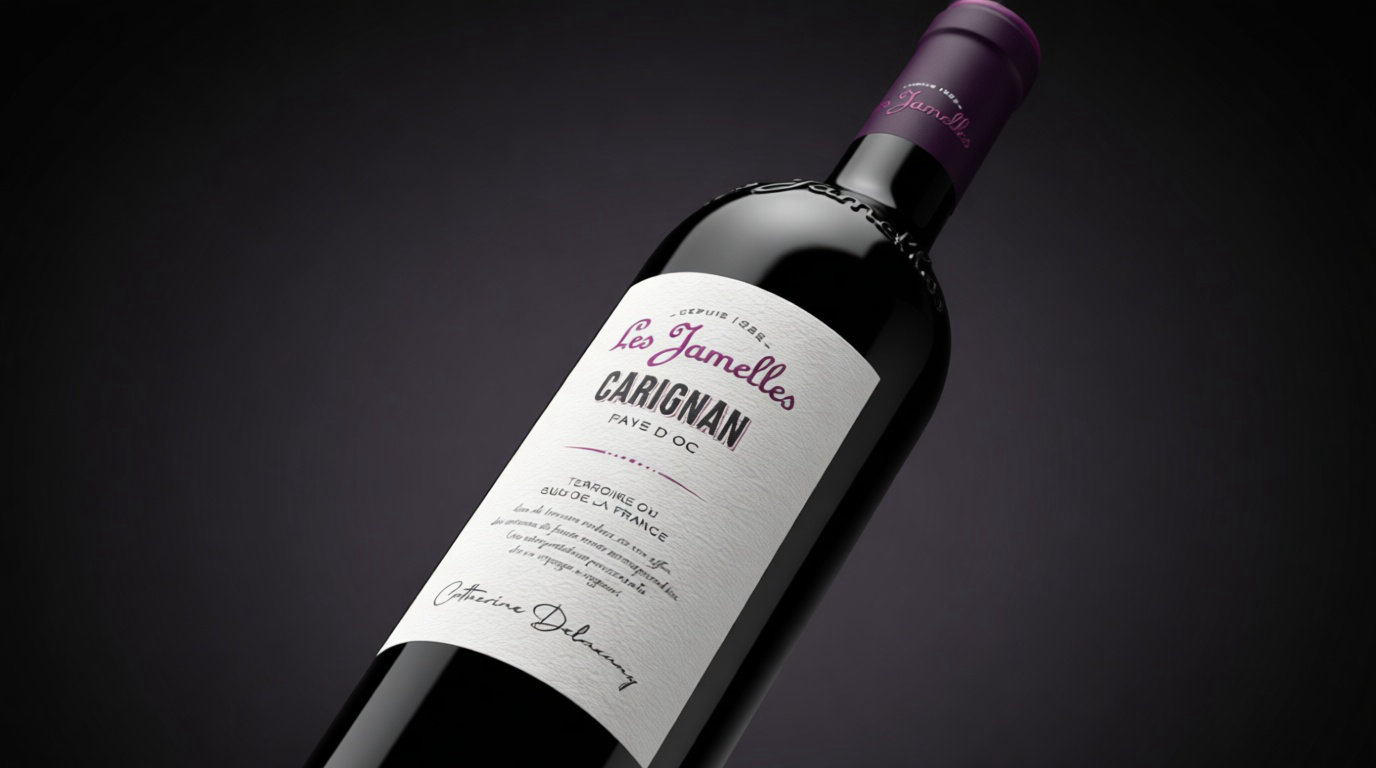
Tannins reveal themselves robust and solidly structured from attack. This structure sometimes requires few years to truly soften. Patience then allows gaining velvety texture.
Cuvées dominated by this grape variety offer interesting aging potential. Balance between wine acidity and its tannins favors harmonious aging. Notes then evolve toward leather and toasted bread. We appreciate this improvement over time.
History and renewal of resistant Mediterranean grape variety
This solid structure didn't happen overnight; it stems from rich and turbulent past.
From Spanish roots to expansion in Midi
This black plant origin lies in Aragon. Its name is intimately linked to Spanish city of Cariñena. This is where everything starts.
It massively settled in southern France. Winegrowers chose it after phylloxera crisis. Its high productivity seduced.
This grape variety braves drought without flinching. It perfectly withstands Mistral and Tramontane assaults. Its roots anchor in arid soils. Heat remains its natural ally.
- Origin: Aragon, Spain
- Spanish synonym: Mazuelo
- Capacity: Wind and water shortage resistance
Reasons for long battered reputation
Excessive plain yields long tarnished its reputation. Juice then seemed too acidic and rough. Consumers logically turned away.
Qualitative shift however began as early as 1980s. Hillside cultivation radically changed situation. Winegrowers finally favored poor terroirs.
Mass production now belongs to past. Current artisanal cuvées seek unprecedented finesse. We forget quantity to aim for grain elegance. This contrasts with light red wine.
Old vines cultivation and winemaking secrets
To obtain this quality, everything starts in soil and ends with precise cellar know-how.
Ancient vines valorization on poor soils
Carignan flourishes on schists or limestone. These arid terrains curb its natural vigor. This is where grape variety finds its finesse, far from too fertile plains.
We favor vines over 40 years old. These old vines offer few clusters but rare concentration. Bottled result then gains truly singular depth.
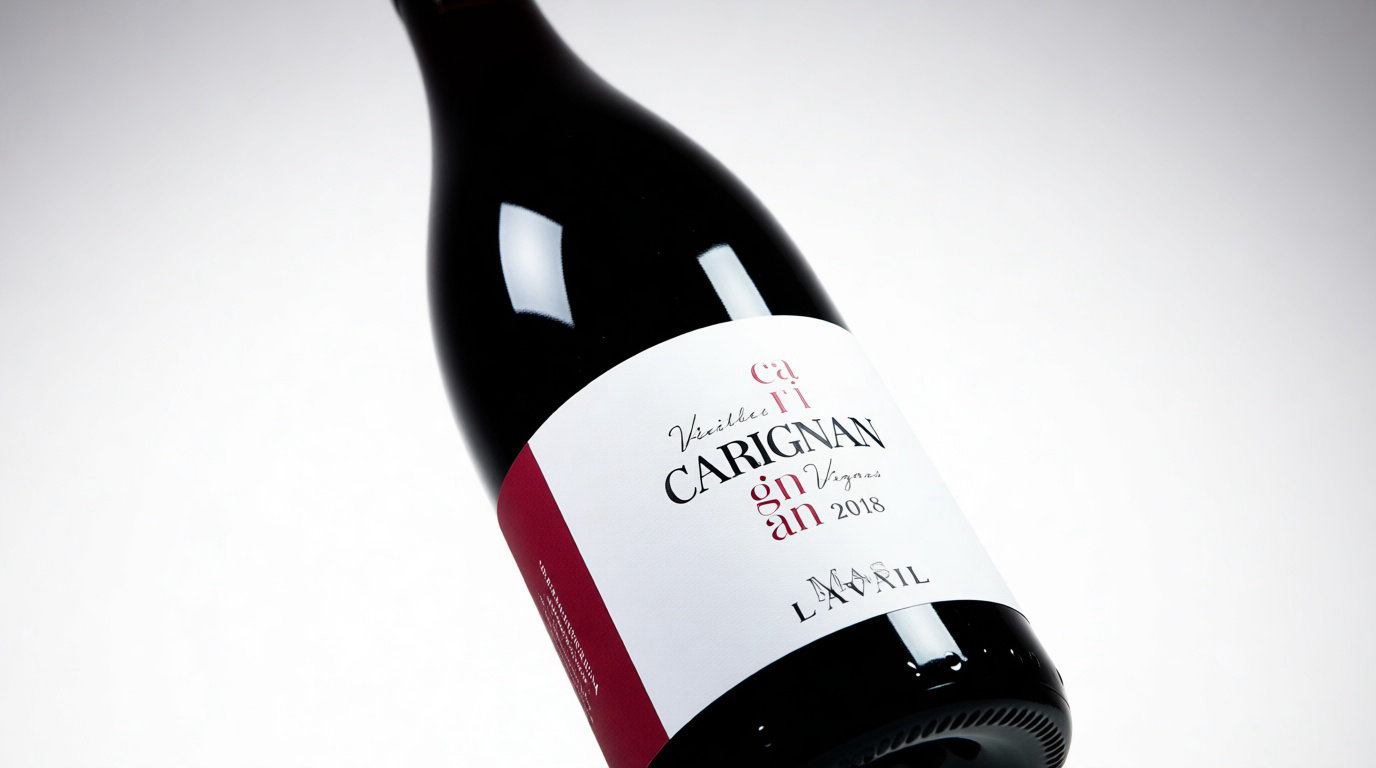
Yet, this strength hides powdery mildew fragility. Meticulous surveillance is essential to protect foliage. Despite its wind resistance, winegrower must remain vigilant to preserve harvest each year.
| Soil type | Wine impact | Quality potential |
|---|---|---|
| Schists | Minerality and finesse | High |
| Limestone | Structure and acidity | Excellent |
| Alluvial plains | Volume and dilution | Medium |
Carbonic maceration to soften structure
Carbonic maceration radically transforms wine profile. This technique extracts fruit brilliance without releasing bitter tannins. We then obtain crisp, immediate and very indulgent juice.
In blends, it balances with Syrah or Grenache grape variety. This alliance brings roundness. Sometimes Cinsault grape variety wines are added for suppleness.
This method erases young vines natural astringency. Wine becomes silky and accessible from its first years. In fact, structure softens to give way to aromatic elegance often surprising enthusiasts.
Production regions and ideal gastronomic pairings
Now that we master its technique, let's discover where it flourishes and how to savor it at table.
From Languedoc-Roussillon to New World gems
This grape variety reigns over Corbières and Fitou lands. It also settles in southern Rhône Valley. Its presence there remains very real today.
White Carignan remains rare botanical curiosity. Few confidential plots remain in Roussillon. This mutation surprises through its liveliness and character.
Rise now reaches Chile and South Africa. These countries valorize their old non-irrigated vineyards. These ancient vines potential impresses. This is where renewal makes sense.
Carignan now travels far beyond Mediterranean, establishing itself as worldwide gem from Chile to South Africa.
Indulgent alliances with meats and game
Roasted red meats form classic duo. Grape variety structure responds to cut fat. Mouth balance then becomes obvious.
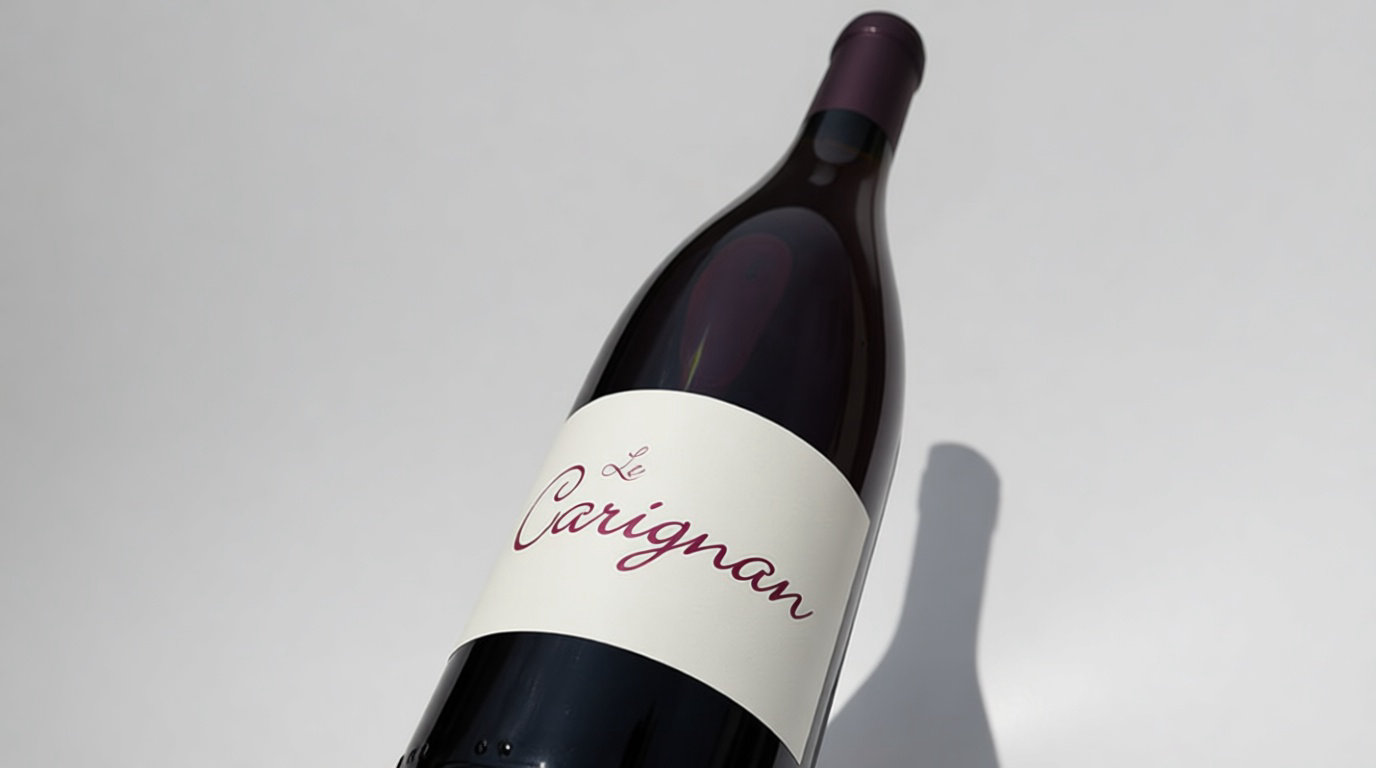
Spicy dishes or stews suit it. Its wild temperament elevates game flavors. We appreciate this encounter between power and finesse.
Decanter aeration releases garrigue aromas. Tannins soften before service. This process enhances tasting. To discover masterful terroir expression, taste Acústic Celler Braó.
Carignan grape variety wine establishes itself through its old vines finesse and singular aromatic balance. To taste it, immediately decant terroir cuvée to release power. Quickly rediscover this Mediterranean jewel elevating your future sharing moments. Finally revealed terroir excellence.
FAQ
What is Carignan grape variety historical origin?
Carignan draws its roots in Spain, more precisely in Aragon region, from where it takes its name from Cariñena city. We saw it massively settle in southern France after phylloxera crisis, period winegrowers then appreciating its great generosity and natural resistance facing Mediterranean drought and winds.
How does structure balance between acidity and tannins in this wine?
This grape variety is often qualified as extreme because it naturally possesses marked acidity and powerful tannic structure. To obtain harmonious balance, winegrowers favor cultivation on poor soils and dry hillsides limiting its vigor, thus allowing tannins gaining elegance without losing their assertive character.
What are aromatic particularities of Carignan from carbonic maceration?
This winemaking technique transforms wine profile by highlighting indulgent cherry, raspberry and black fruit notes. It allows extracting fruit richness while softening tannins, making Carignan silkier, silky and accessible from its prime youth with characteristic English candy aromas.
What is interest of blending Carignan with Syrah and Grenache?
These three grape varieties union is strong southern France tradition. While Carignan brings color and tannic structure, Grenache offers its roundness and bright red fruits, whereas Syrah balances whole with its sweet spice and bramble fruit nuances.
How does aging influence Carignan tannins finesse?
Time is precious ally, particularly for cuvées from old vines over forty years. With years, initially robust tannins refine to become suppler and rounder, while aromatic palette evolves toward complex leather, toasted bread and ripe fruit notes.
What are best gastronomic pairings to appreciate Carignan wine?
To elevate its wild and structured personality, we recommend associating it with roasted red meat cuts or game dishes. Its structure perfectly responds to garrigue flavors, like thyme and laurel, and prior decanter passage is often beneficial to release all its aromatic complexity before service.