

Discover
 Red Wines
 White Wines
 Rosé Wines
 For Drinks and Nibbles


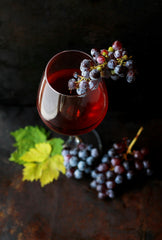

Cinsault has become a must for lovers of light red and rosé wines. This Mediterranean grape variety wins people over with its ability to combine fruitiness and suppleness, especially in Provence rosés. Discover how to choose, recognise and enjoy this versatile variety.
How to choose your Cinsault wine
Choosing a Cinsault wine depends on how you plan to enjoy it and on your taste preferences. This grape expresses itself differently depending on whether it goes into a red or a rosé, offering a variety of aromatic profiles. Paying attention to the fruit notes and food pairings guarantees a successful experience.
By type of wine (red or rosé)
In reds, Cinsault brings a supple structure and is often blended with other grapes such as Grenache or Syrah. In rosés, it leads the Provence blends, giving lightness and freshness. IGP and AOP wines reveal different styles depending on the region, from immediate fruitiness to more complex aromas.
By aromas and tasting notes
Cinsault's aromatic range extends from ripe red fruit (cherry, strawberry) to light spice. On the palate, fruit takes the lead, with a silky texture. Wines from organic estates or clay terroirs sometimes develop subtle floral or mineral notes, ideal for those who enjoy refined profiles.
By food pairing
Cinsault wines pair well with both simple and elaborate dishes. A Provence rosé is a perfect match for grilled fish or summer salads. The reds, light and low in tannins, go well with white meats, fine charcuterie or medium-aged cheeses. Fast bottle delivery means you can enjoy them on any occasion.
The characteristics of the Cinsault grape
The Cinsault grape stands out for its hardiness and productivity. Its loose bunches and black berries cope well with difficult weather, especially in southern regions. The grape prefers light soils, where it develops a balance between acidity and sugar. In the winery, its low tannin content and fruity aroma make it a valuable ally for easy-drinking wines. Wines from old vines or sustainable viticulture offer greater complexity, with notes of violet or liquorice.


Exceptional terroirs
We invite you to explore terroirs that express the unique character of the land, the climate and the people who farm them. Meet winemakers who share their passion for innovation and creativity, and who surprise us with exceptional yet little-known cuvées.